
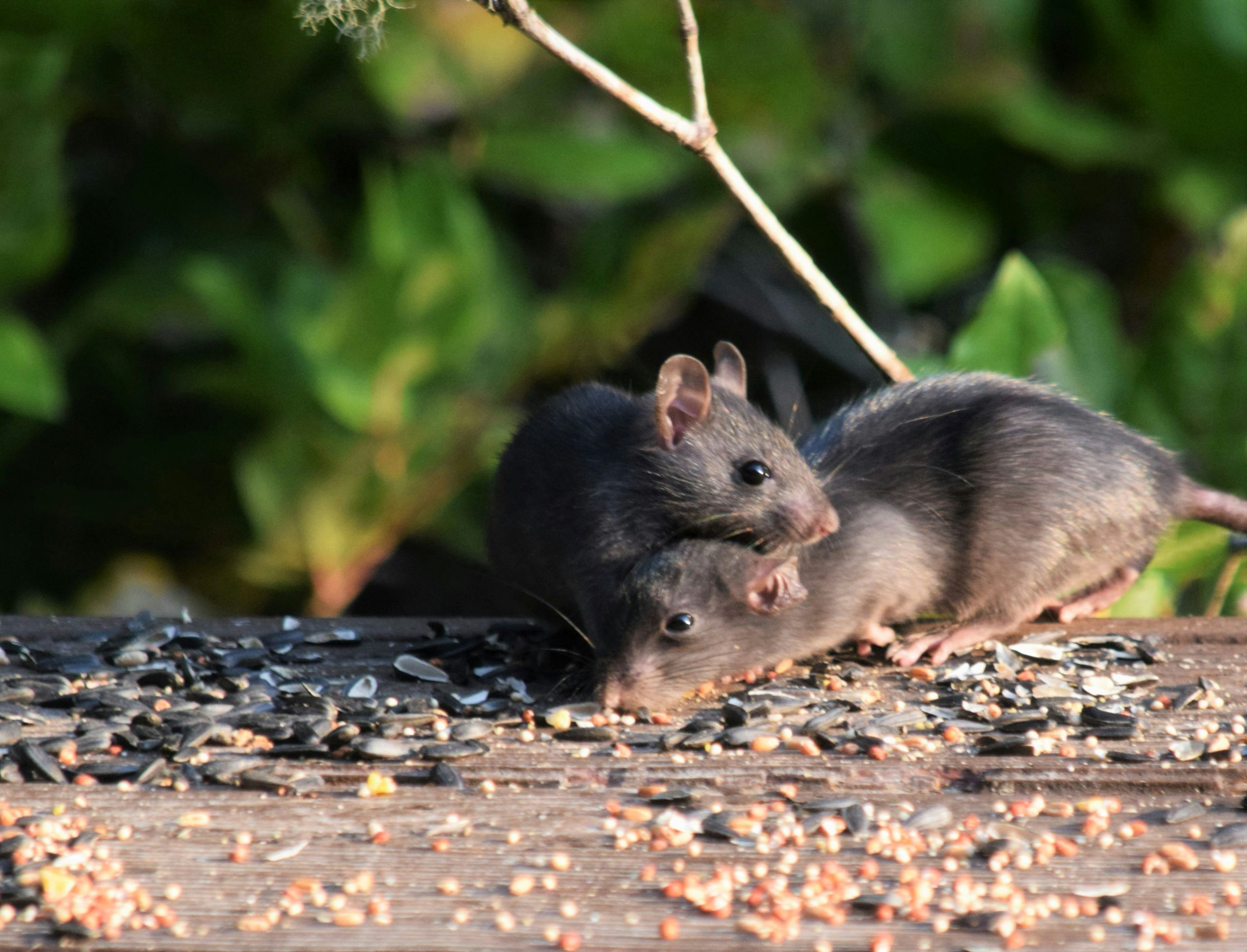
Fall pests often become more noticeable around Arkansas homes as temperatures cool and insects and rodents begin looking for warmth, food, moisture, and shelter. And as summer fades and Arkansas temperatures begin to cool, many homeowners assume that pest activity will naturally decrease. While some insects become less active outdoors, cooler weather does not mean pests disappear. In many cases, changing temperatures actually encourage pests to move closer to homes, garages, crawl spaces, and other sheltered areas.
Understanding fall pest activity can help property owners recognize why certain pests suddenly become more noticeable during September and October. Rodents, spiders, ants, cockroaches, and other pests may begin searching for warmth, food, moisture, and protected spaces as outdoor conditions change. Taking action before these pests establish themselves indoors can make a significant difference in maintaining a comfortable and protected home.
Why Cooler Temperatures Change Pest Behavior
Pests are highly responsive to changes in temperature and environmental conditions. During the hottest months of summer, many insects remain active outdoors because food, water, and shelter are readily available. As temperatures decline, however, outdoor conditions become less favorable.
This does not necessarily mean pests stop moving. Instead, many species begin looking for more suitable environments.
Homes provide several things pests need as the weather changes. Warmth from the interior can attract insects and rodents toward walls, attics, garages, crawl spaces, and other protected areas. Small gaps around doors, windows, utility penetrations, foundations, and roofing components can become convenient entry points.
This is one reason fall can be an important season for Arkansas pest control. Preventing entry before pests settle indoors can be easier than dealing with an established infestation later.
Rodents Become a Greater Concern in Fall
One of the most noticeable changes in fall pest activity is increased rodent movement. Mice and rats do not simply disappear when summer ends. As temperatures fall, they become increasingly interested in locations that provide reliable shelter and access to food.
A home can provide an ideal environment. Garages, attics, crawl spaces, wall voids, sheds, barns, and storage areas can all provide protection from colder outdoor conditions.
Rodents can enter through surprisingly small openings. Cracks around foundations, gaps beneath doors, openings around plumbing and electrical lines, vents, and damaged screens can create access points. Once inside, rodents may remain hidden for extended periods, making early signs easy to overlook.
Homeowners may eventually notice scratching sounds, droppings, gnaw marks, nesting material, or unusual odors. However, waiting for obvious evidence can give rodents more time to establish nesting areas and contaminate portions of the property.
Professional pest control can help identify conditions that make a property vulnerable and address problems before they become more difficult to manage.
Spiders May Become More Noticeable Indoors
Spiders can also become more noticeable as temperatures cool. Some species may move into sheltered areas where they are protected from changing outdoor conditions and where their food sources may still be available.
Basements, garages, attics, closets, storage areas, and less frequently disturbed portions of a home can provide suitable shelter. Webs around windows, corners, ceilings, garages, and exterior structures may become more apparent during this time of year.
An increase in spiders can also indicate that other insects are present. Spiders depend on other insects for food, so repeated spider activity may sometimes be associated with a broader pest issue.
Instead of focusing only on removing visible spiders, homeowners should consider why pests are gaining access to the property in the first place. Sealing entry points, reducing unnecessary outdoor lighting near entrances, managing moisture, and addressing other insect activity can all contribute to better home pest protection.
Some Insects Look for Places to Overwinter
Not every pest entering a structure during fall is looking for food. Some insects are primarily seeking shelter where they can survive unfavorable outdoor conditions.
Cluster flies and lady beetles, for example, may gather around buildings as temperatures decline. They can enter through cracks and openings and eventually accumulate in attics, wall voids, and other protected spaces.
Once these pests find suitable shelter, they may remain relatively inactive for periods of time. Homeowners might not notice them immediately. However, warmer days can cause overwintering insects to become active again, sometimes resulting in visible insects inside living spaces.
Preventing access before these insects settle into protected areas is an important part of seasonal pest activity management.
Moisture Still Matters During Fall
Temperature is only one factor influencing pest behavior. Moisture continues to play an important role as well.
Areas around leaking pipes, poorly draining gutters, crawl spaces, bathrooms, laundry rooms, basements, and other damp locations can create favorable conditions for certain pests. Silverfish, centipedes, cockroaches, and other moisture-loving pests may take advantage of these environments.
Fall maintenance provides an opportunity to address moisture problems before they contribute to pest activity. Homeowners should pay attention to standing water, leaking plumbing, clogged gutters, damaged weather stripping, and areas where water collects near the foundation.
Reducing moisture does not guarantee that pests will stay away, but it can remove some of the conditions that make a property attractive to them.
Cooler Weather Does Not Stop Every Pest
It is easy to assume that colder weather automatically solves pest problems. In reality, pest activity changes rather than simply stopping.
Some insects become less active as temperatures decline, while others seek shelter. Rodents remain active throughout the year, particularly when they have access to warmth and food. Certain insects may enter structures specifically to overwinter.
This is why seasonal pest inspections can be useful. A professional can look beyond the pests that are immediately visible and evaluate conditions around the property that could contribute to future problems.
For homeowners, the goal is not simply to eliminate pests after they become obvious. A stronger approach is to identify vulnerabilities and address them before the property becomes a convenient shelter.
How to Prevent Fall Pests Around Your Home
As Arkansas transitions from summer to fall, homeowners have an opportunity to strengthen their pest prevention plan before winter conditions arrive.
Inspecting exterior walls and foundations for cracks can help identify potential entry points. Checking doors and windows for gaps, maintaining screens, keeping vegetation away from the structure, and addressing moisture problems can also reduce opportunities for pests.
Professional pest control can add another layer of protection. A trained pest professional can evaluate current activity, identify conditions that may encourage pests, and recommend appropriate treatment and prevention strategies based on the property.
This is particularly important for properties that have experienced recurring pest problems. If rodents, insects, or other pests have found their way indoors during previous fall seasons, addressing the underlying vulnerabilities before temperatures drop further may help reduce the likelihood of another infestation.
Protect Your Home Before Fall Pest Activity Increases
Cooler temperatures do not mean pests are gone. They often change where pests spend their time and what they seek from their environment. As outdoor conditions become less comfortable, homes can become increasingly attractive sources of warmth, food, moisture, and shelter.
Understanding these changes allows homeowners to take action before pest activity becomes an indoor problem. From rodents entering garages and crawl spaces to insects seeking overwintering locations, fall is an important time to evaluate your property’s defenses.
If you are noticing unusual pest activity or want to prepare your home before temperatures continue to fall, Hopper Termite & Pest Control can help you develop a practical approach to seasonal protection. Contact Hopper today to discuss your pest concerns and take the next step toward stronger home pest protection this fall.