
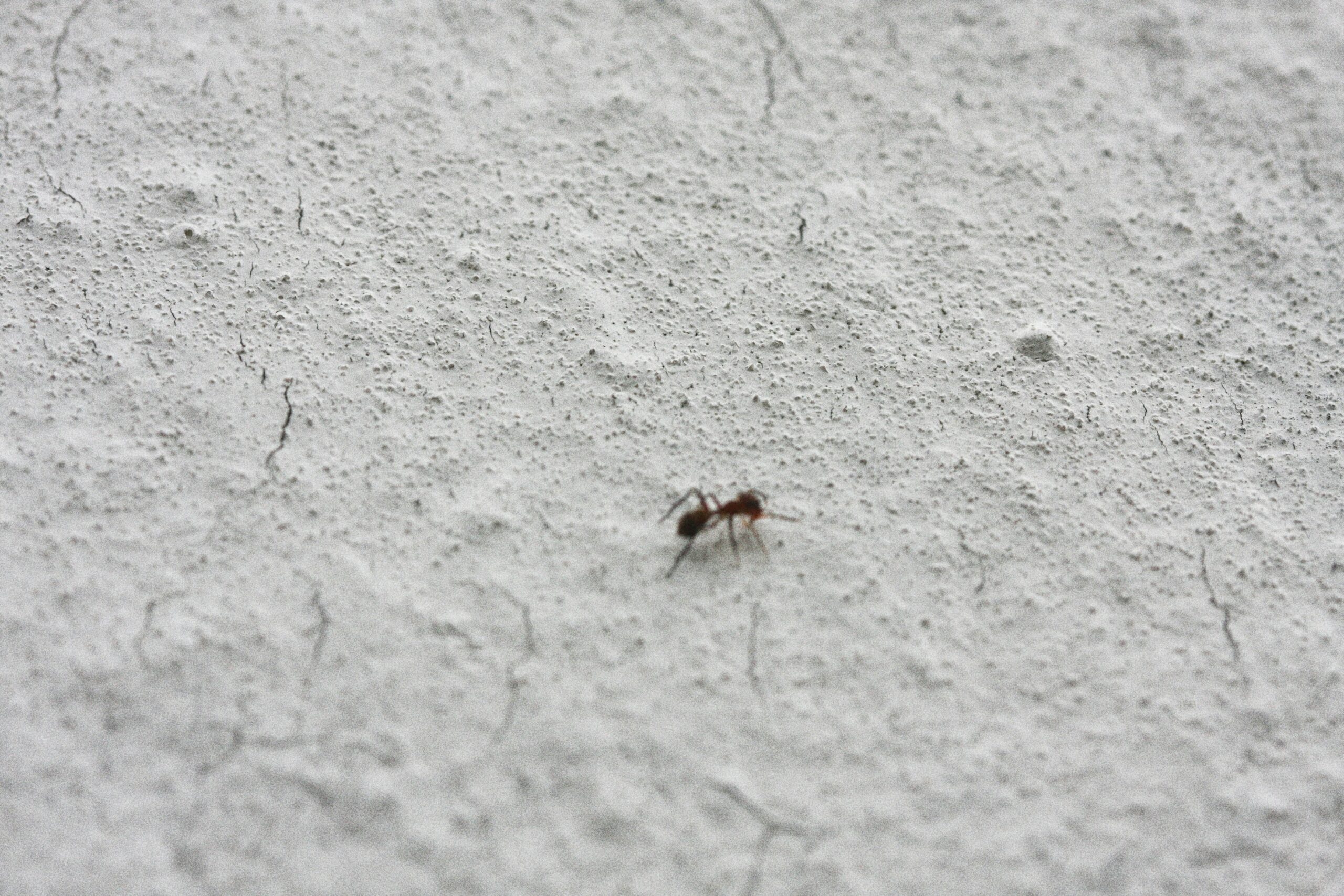
Ants are one of the most common household pests, and in Arkansas, they’re a year-round concern. While some ants are merely a nuisance, others can damage your home or pose health risks to your family. Knowing which species are most common in our region—and how to identify them—is the first step in protecting your home. At Hopper Termite and Pest Control, we believe education is key when it comes to pest prevention. That’s why we’ve put together this guide to help homeowners understand the different types of ants in Arkansas.
Why Ants Invade Homes in Arkansas
Ants enter homes in search of food, water, and shelter. Warm weather, rainfall, and accessible entry points often trigger sudden infestations. In Arkansas, the humid climate creates ideal conditions for several ant species to thrive both indoors and outdoors.
Unlike one-time invaders, ants often establish trails, send scouts, and build nests close to or inside your property. That’s why ant infestations can seem to “come out of nowhere” and escalate quickly without professional treatment.
Most Common and Types of Ants in Arkansas Homes
1. Odorous House Ants
Also called “sugar ants,” odorous house ants are small and brown or black in color. When crushed, they emit a distinct rotten coconut smell, hence the name.
Behavior and Risks:
- Attracted to sweets and greasy foods
- Commonly found in kitchens and pantries
- Can form multiple colonies in wall voids and crawlspaces
Though they don’t sting or bite, these ants in Arkansas are persistent and can be difficult to eliminate due to their nesting habits.
2. Carpenter Ants
Carpenter ants are among the largest ants in Arkansas, with black or reddish-black coloring. Unlike termites, they don’t eat wood—but they do hollow it out to build their nests, which can lead to structural damage over time.
Signs of Infestation:
- Piles of sawdust-like material near baseboards or window sills
- Rustling noises in walls
- Winged ants indoors (a sign of mature colonies)
Carpenter ants should never be ignored. If you suspect their presence, prompt professional inspection is critical.
3. Fire Ants
Fire ants are aggressive, reddish-brown ants known for their painful stings. They build visible mounds in open areas like lawns, driveways, and playgrounds—but they can also make their way inside homes during floods or droughts.
Risks:
- Painful stings that can trigger allergic reactions
- Damage to electrical equipment
- Threat to pets and children in yards
These ants in Arkansas are a major concern for both residential and commercial properties due to their aggressive nature and painful bites.
4. Pavement Ants
Pavement ants are small, dark brown or black ants that often nest under sidewalks, driveways, and building foundations. They enter homes through cracks in the slab or basement walls.
Behavior:
- Feed on a wide range of foods, including sweets and proteins
- Often found in kitchens, under appliances, and along baseboards
- Can contaminate food if not controlled
Though not destructive like carpenter ants or as aggressive as fire ants, they reproduce rapidly and are a common year-round pest.
How to Prevent and Control Ant Infestations in Your Home
Seal Entry Points
Ants can enter through the tiniest cracks in your home’s exterior. Walk the perimeter and seal gaps around windows, doors, and utility lines. Weather stripping, caulk, and door sweeps are simple but effective tools for prevention.
Store Food Properly
Keep food in airtight containers, clean up spills promptly, and never leave pet food out overnight. Kitchens and pantries are prime targets for ants in Arkansas, so regular cleaning goes a long way.
Eliminate Moisture Sources
Ants are drawn to water. Fix leaky pipes, clean gutters, and use dehumidifiers in basements or crawlspaces. Reducing excess moisture makes your home far less attractive to ants and other pests.
Maintain Your Yard
Fire ants and carpenter ants often start outside before migrating indoors. Keep bushes trimmed away from your house, remove fallen logs or woodpiles, and ensure your lawn is well-drained.
Why DIY Ant Control Often Falls Short
Store-bought ant traps and sprays can provide temporary relief, but they rarely eliminate the root of the problem: the colony. In some cases, these products can make things worse by causing ants to “bud,” splitting the colony into multiple nests and worsening the infestation.
Professionals understand the biology and behavior of ants in Arkansas. At Hopper Termite and Pest Control, we use targeted treatments designed to eliminate entire colonies and prevent them from returning. That includes baiting strategies, perimeter treatments, and long-term prevention plans tailored to your home.
When to Call a Professional
If you see:
- Ant trails that persist after cleaning
- Winged ants (especially near doors and windows)
- Large numbers of ants indoors, especially near walls or baseboards
- Recurring infestations despite using over-the-counter products
It’s time to call the experts. Our trained technicians at Hopper Termite and Pest Control will inspect your property, identify the species, locate nesting sites, and implement safe, effective solutions.
Protect Your Home from Ants in Arkansas with Hopper Termite and Pest Control
Ants may be small, but they can cause big problems when left unchecked. Whether you’re battling odorous house ants in your kitchen or worried about carpenter ants damaging your walls, Hopper Termite and Pest Control is here to help. We’ve been serving Arkansas families and businesses for decades with honest, reliable pest control solutions.
Call our Springdale office at (479) 750-4070 or our Mountain Home office at (870) 425-4122 to schedule an inspection. From identifying ants in Arkansas to implementing long-term protection plans, we have the tools and expertise to keep your hants in arkansasome ant-free year-round.
Let Hopper Termite and Pest Control be your partner in pest prevention—because when it comes to your comfort and safety, we don’t cut corners.